 LES ORIGINES (de 58 av. J.-C. à 887)
 Période romaine Mérovingiens Carolingiens
 LA FÉODALITÉ (de 887 à 1483)
Toute puissance de la Féodalité La royauté féodale Déclin de la Féodalité Guerre de Cent ans Ruine de la Féodalité
 LA MONARCHIE (de 1483 à 1789)
Guerres d'Italie Guerres contre la maison d'Autriche Guerres de religion Apogée de la France monarchique Déclin de la monarchie
 LA REVOLUTION
Ruine de l'Ancien régime La République L'Empire

LOUIS XIV - STRASBOURG, Suites de la révocation de l’Édit de Nantes (4) Les protestants de l’Aunis, de la Saintonge et de la Normandie essayaient de s’enfuir par mer; un assez grand nombre réussirent à gagner l’Angleterre à travers mille dangers, mais des soldats surveillaient les côtes, des navires croisaient au large, et beaucoup de malheureux furent ramenés les fers aux mains et condamnés.
LA RÉVOLUTION - LE 14 JUILLET, Soulèvement de Paris. Depuis l’ouverture des États généraux, et surtout depuis la séance du 23 juin, Paris était inquiet et agité; les rassemblements de troupes au Champ de Mars, l’insolence de quelques officiers, le renvoi du ministre Necker, en un mot les menaces de coup d’État y produisirent une explosion de colère : le peuple se souleva (12 juillet); les gardes françaises, presque tous enfants de Paris, firent cause commune avec lui, et quand les dragons s’apprêtèrent à charger la foule aux Tuileries, ils trouvèrent des uniformes devant eux; le 13, Paris se tint sur la défensive, fabriqua des piques, et organisa une garde nationale de 48 000 hommes; le 14, le peuple enleva du dépôt des Invalides 28 000 fusils et 20 canons, puis il s’empara de la Bastille. Le roi, renonçant à la lutte, éloigna ses troupes et rappela Necker.
FRANÇOIS 1er - CÉRISOLES, Montluc devant François 1er. François 1er, devenu aussi prudent qu’il avait été téméraire, ne voulait pas entendre parler de grande bataille. Le jeune comte d’Enghien, qui commandait l’armée française, et qui voyait l’ennemi dans une position désavantageuse, dépêcha au roi le brave Montluc, pour lui arracher la permission de combattre: « Nous sommes tous résolus à mourir ou à vaincre; qui voulez-vous qui tue douze mille hommes comme nous ? » Montluc paraissait tellement assuré du succès, que le roi se laissa gagner: Montluc triomphant retourna en toute hâtes auprès du comte d’Enghien; le bataille eut lieu, et ce fut la victoire de Cérisoles (avril 1544).
CHARLES VI & SES ONCLES, Charles VI dans la forêt du Mans. Charles VI, qui avait juré de châtier Pierre de Craon, traversait la forêt du Mans par une chaleur accablante, quand tout à coup un homme vêtu de haillon, la tête et les pieds nus, s’élança d’un taillis et saisit le cheval du roi par la bride, en s’écriant: « Arrête, noble roi, tu es trahi. » L’homme se sauva, et Charles VI continua sa route sans parler, mais bientôt un des pages, s’étant endormi sur son cheval, lâcha sa lance, et le fer heurta le casque de son voisin: le roi, croyant à une trahison, tira son épée, se précipita sur son escorte, en criant: « Sus aux traîtres », frappa de tous côtés des coups furieux et tua plusieurs hommes; on ne put qu’à grand’peine s’emparer de lui: le malheureux roi était fou. (Août 1392).
JEAN - DU GUESCLIN, Du Guesclin au siège de Rennes. La ville de Rennes, assiégée par le duc de Lancastre depuis le mois d’octobre 1356, commençait à souffrir de la famine, quand Du Guesclin accourut à son secours, força les lignes anglaises avec sa petite troupe, et pénétra dans la place, à la grande joie des habitants (mars 1357). Aussitôt la situation change: les Anglais sont harcelés jour et nuit: ce ne sont que surprises, coups de main et escarmouches d’où Du Guesclin ramène toujours quelque prisonnier ou quelque butin. Un fois il force le camp ennemi et y enlève cent charrettes chargées de blé, de viande et de vin; une autre fois il met le feu à une grande tour de bois qui menaçait les remparts; tous les chevaliers anglais qui le défient en combat singulier mordent la poussière les uns après les autres, et le duc de Lancastre, découragé, se décide à lever le siège. Il ne faut pas oublier que ce succès fut remporté par Du Guesclin presqu’au lendemain de la bataille de Poitiers.
PHILIPPE AUGUSTE - RICHARD, Combat de Courcelles. La guerre entre Richard et Philippe fut une lutte acharnée qui s’étendit de la Normandie au Berry et à la Flandre. Richard avait à son service des bandes de routiers, « qui ne comptaient pour rien l’effusion du sang humain, le pillage et l’incendie. » Philippe, qui n’avait que des chevaliers et des milices communales, eut souvent le dessous. En 1194, il fut surpris dans les environs de Blois, et il perdit tous ses bagages, son argent, son sceau royal, une partie de ses archives. Une autre fois, en 1196, il tomba dans une embuscade à Courcelles, près de Gisors; les Français n’étaient que deux cents contre plusieurs milliers: Philippe s’élança bravement sur les Anglais et parvint à se frayer un passage, mais la plupart des ses compagnons périrent.
LOUIS XIII - RICHELIEU, Les habitants de Saint-Jean-de-Losne jurent de se défendre jusqu’à la mort. La Bourgogne, envahie par les armées impériales, semblait hors d’état de leur résister, mais une petite ville, Saint-Jean-de-Losne, refusa fièrement de capituler : 150 hommes de garnison et 400 bourgeois jurèrent de mourir l’épée à la main plutôt que de rendre la ville, et ils se défendirent si bien, malgré la faiblesse de leurs murailles, qu’il tinrent en échec 30 000 hommes, repoussèrent tous les assauts, et donnèrent à l’armée française le temps de venir les délivrer (novembre 1636). La ville reçut le surnom de « Belle Défense ».
LOUIS XIV - MAZARIN, Arrestation de Broussel. La première émeute de la Fronde fut provoquée par l’emprisonnement de Broussel, conseiller au Parlement, qui s’était fait remarquer par son opposition à Mazarin : le 26 août, pendant qu’on chantait le Te Deum à Notre-Dame, pour la victoire de Lens, Broussel fut arrêté dans sa famille par des gardes: le peuple, qui l’appelait son protecteur, se souleva aussitôt: on ne parvint pas à l’arracher aux soldats, mais Paris se hérissa de barricades, et quatre cent mille voix crièrent: « Liberté ou Broussel ».
FILS DE CLOVIS, Sainte Radegonde La femme de Clotaire, Radegonde, jeune captive qu’il avait épousée de force, était un âme ure et délicate. Révoltée des crimes du roi, elle s’enfuit du palais, courut à Noyon, et s’adressant à l’évêque saint Médard, le supplia de la consacrer au Seigneur; les guerriers francs étaient entrés dans l’église pour la chercher, mais saint Médard dédaigna leurs menaces, et Radegonde trouva dans le cloître un refuge.
SAINT LOUIS - BLANCHE DE CASTILLE, Église Saint-Louis de Poissy. On conserve encore dans l’église de Poissy les débris des Fonts baptismaux sur lesquels fut baptisé saint Louis; le pont remonte à la même époque.
ASSEMBLÉE LÉGISLATIVE, Danton. Danton prit part aux journées du 20 juin et du 10 août, fut complice des massacres de septembre, et contribua de toutes ses forces à la condamnation de Louis XVI et des Girondins, ce qui ne l’empêcha pas d’être exécuté à son tour pendant la Terreur comme coupable de modération.
CHARLES VI - AZINCOURT, Entrée des Bourguignons à Paris. Les Armagnacs, rentrés à Paris en 1413, avaient châtié durement la ville rebelle, et ne contenaient le peuple que par la terreur; le fils d’un marchand de fer du Petit-Pont, appelé Perrinet le Clerc, ayant été battu par eux, résolut de se venger: il se lia avec un agent secret des Bourguignons, entraîna quelques amis, et pendant la nuit, à une heure convenue, il alla furtivement ouvrir la prote Saint-Germain: le sire de l’Isle Adam, qui se tenait prêt avec 800 Bourguignons, entra aussitôt et occupa les principaux points de Paris: le peuple transporté de joie se souleva au cri de « Vive Bourgogne! », et les Armagnacs n’eurent même pas le temps de s’assembler pour se défendre: les plus heureux s’enfuirent à la Bastille, d’autres se cachèrent; tous ceux qui furent pris furent massacrés (Mail 1418).
FILS DE CLOVIS, Clotaire 1er Clotaire 1er, le plus jeune des fils de Clovis, avait une quinzaine d’années à la mort de son père. Il participa aux guerres contre les Thuringiens, contre les Burgondes et contre les Wisigoths, mais c’était un barbare méchant et brutal qui se signala surtout par ses crimes. L’invasion avait bouleversé la société; les mœurs redevenaient sauvages, et l’Église seule empêchait la civilisation de périr.
LES QUATRE PREMIERS CAPÉTIENS, Guillaume à la bataille d’Hastings. Harold ayant manqué à son serment, Guillaume le fit excommunier solennellement, et envahit l’Angleterre au nom du Pape, qui lui avait envoyé une bannière bénite et un cheveu de Saint-Pierre; un grand nombre de prêtres et de religieux suivaient son armée, et chantaient des litanies. Le jour de la bataille d’Hastings, il attacha à son armure les plus vénérées des reliques sur lesquelles Harold avait juré, et les Normands, exaltés par ce spectacle, s’élancèrent en avant aux cris de « Notre-Dame ! Dieu aide ! Dieu aide ! » Les Anglo-Saxons furent exterminés, et l’infortuné Harold fut au nombre des morts (octobre 1066).
NAPOLÉON - ULM, La flottille de Boulogne attaque l’escadre anglaise. Bonaparte rêvait de débarquer en Angleterre, pour y attaquer son ennemie corps à corps et lui dicter la paix dans Londres. Aussitôt après la rupture du traité d’Amiens, il fit construire dans tous les ports, de Brest à Anvers, une multitude de chaloupes et de bateaux plats; les Anglais se moquèrent d’abord de ces coquilles de noix, mais quand Bonaparte, à la tête de 200 barques, eu fait reculer 14 de leurs vaisseaux près de Boulogne (1804), ils tremblèrent dans leur île, et formèrent une troisième coalition contre la France.
CHARLES V, Siège de Saint-Malo. Les Anglais n’étaient pas plus heureux sur mer que sur terre. Une flotte nombreuse, portant 10 000 soldats et une formidable artillerie, vint mettre le siège devant Saint-Malo, mais les Bretons, fermement résolus à ne pas devenir Anglais, résistèrent à tous les assauts, et le duc de Lancastre, après avoir fait rage de tous ses canons contre la ville, fut réduit à se retirer (1378). Pendant ce temps la flotte française et la flotte castillane ravageaient les côtes de l’Angleterre, et y brûlaient plusieurs villes.
LE DIRECTOIRE - NOUVELLES GUERRES, Bonaparte aux Pyramides. Quand l’armée arriva en vue des Pyramides, monuments impérissables de l’antique civilisation égyptienne : « Soldats, s’écria Bonaparte, songez que du haut de ces Pyramides quarante siècles vous contemplent. » L’armée, saisie de surprise et d’admiration, brûla d’accomplir des prodiges, comme si elle eût eu pour témoins tous les héros de l’antiquité. Formée en carrés, elle opposa une barrière infranchissable à la cavalerie des Mameluks et la mit en déroute. Deux jours après Bonaparte entrait au Caire (juillet 1798).
LOUIS XIV - PREMIÈRES GUERRES, Rixe entre l’ambassadeur de France et celui d’Espagne, à Londres. A Londres, le baron de Vatteville, ambassadeur d’Espagne, ayant disputé la préséance au comte d’Estrades, ambassadeur de France, les deux escortes en vinrent aux mains; les ouvriers de Londres prirent parti pour l’Espagne; d’Estrades eut plusieurs de ses gens tués ou blessés, son carrosse fut mis en pièces et Vatteville passa le premier; mais Louis XIV irrité menaça l’Espagne d’une guerre, et obtint d’elle une réparation éclatante (1662).
PHILIPPE AUGUSTE - JEAN SANS TERRE, Mort de Richard Cœur de Lion. Le vicomte de Limoges ayant trouvé un gros trésor dans le château de Chalus, son suzerain Richard Cœur de Lion le lui réclama, et pour le lui arracher, il vint lui-même assiéger Chalus; mais, au moment où il mettait pied à terre, il fut atteint à l’épaule d’un trait lancé par une arbalète, et il mourut au bout de quelques jours, après avoir demandé à ses soldats d’épargner son meurtrier (1199).
LOUIS LE DÉBONNAIRE ET SES FILS, Bernard demande sa grâce. Un neveu de Louis le Débonnaire, Bernard, mécontent de n’avoir eu en partage que le royaume d’Italie, voulut au moins se rendre indépendant, mais Louis rassembla une grande armée à Châlons-sur-Saône et se prépara à passer les Alpes. Bernard, trop faible pour soutenir la lutte, vint implorer son pardon; Louis lui fit arracher les yeux (818).
LOUIS XIV - COLBERT ET LOUVOIS, Vauban. Né en 1633, mort en 1707, Vauban est célèbre surtout comme ingénieur militaire : remplaçant les hautes murailles de pierre par des fortifications en terre presque au niveau de la campagne, il fit une grande révolution dans l’art de fortifier les places; il en fit une en même temps dans l’art de les prendre, et dirigea lui-même le siège d’un grand nombre de villes. Il travailla aussi comme ingénieur civil à des ports, à des canaux, à des acqueducs. Enfin, nous ne devons pas oublier qu’il désapprouva la révocation de l’Édit de Nantes, et qu’il eut le courage de proposer à Louis XIV d’utiles réformes.
PETITS-FILS DE CLOVIS, Meurtre de Galswinthe. Le mariage de Galswinthe fut célébré à Rouen avec une rare magnificence, et Chilpéric parut d’abord témoigner à sa femme un grand amour, mais bientôt, quand il eut reçu tous les trésors qu’elle apportait en dot, il la traita outrageusement, et comme elle parlait de retourner en Espagne auprès de sa mère, il la fit étrangler pendant qu’elle dormait (568). Peu de temps après il épousait Frédégonde, femme de basse condition, à laquelle il avait obéi en tuant Galswinthe, et qui devait un jour le faire assassiner lui-même.
FRANÇOIS II, Jeanne d’Albret. Fille du roi de Navarre Henri d’Albret, et mère de Henri IV; Jeanne d’Albret soutint le protestantisme.
HENRI IV - SULLY, Supplice de Ravaillac. Ravaillac fut condamné à un supplice effroyable: après avoir subi la torture à la Conciergerie, il fut conduit à la place de Grève et soumis pendant deux grandes heures à de nouveaux tourments: on lui fit avec des tenailles de grandes plaies où l’on versa du plomb fondu et de l’huile bouillante, puis on lui brûla le poing au feu de souffre, enfin on le tirailla à quatre chevaux. Une foule immense le chargeait d’imprécations, et dès qu’il fut mort, le peuple se rua sur son corps et le déchira en mille pièces (27 mai 1610).
LA GAULE CONQUISE PAR LES ROMAINS, Siège d’Alésia Alésia (Alise Sainte-Reine, dans la Côte d’Or), était une des plus fortes places de la Gaule, et Vercingétorix la défendait avec 80 000 hommes. Mais César la bloqua et l’affama: les armées qui essayèrent de la délivrer furent vaincues; toutes les sorties des assiégés échouèrent, et Alésia fut réduite à capituler.
NAPOLÉON - LA FRANCE EN 1810, Baptême du roi de Rome. Napoléon II, né le 20 mars 1811, entra triomphalement dans la vie : cent-un coups de canon saluèrent sa naissance; il reçut dès le berceau la couronne de roi de Rome; son baptême célébré à Notre-Dame eut pour témoins le Sénat, cent évêques, vingt cardinaux, trois rois; et l’enthousiasme fut immense quand Napoléon éleva l’enfant au-dessus de sa tête pour le présenter à la foule : les ennemis mêmes de l’empereur étaient émus, et personne ne pouvait pressentir que quatre ans après il n’y aurait plus d’empire, que Napoléon mourrait prisonnier des Anglais, et que le roi de Rome, enlevé par les Autrichiens, s’éteindrait à vingt et un ans, lieutenant-colonel d’un régiment autrichien sous le nom de duc de Reichstadt.
SAINT LOUIS - DERNIÈRE CROISADE, Le château d’Angers. Le château d’Angers, élevé sous saint Louis (1228-1238), formait une formidable place de guerre; ses épaisses murailles, fortement assises sur le roc et baignées d’un côté par la Maine, étaient flanquées de dix-sept tours hautes de quarante mètres; construit en ardoises avec des cordons de pierre, le château d’Angers est encore à peu près tel qu’au treizième siècle; les hommes on seulement démoli le sommet des tours.
NAPOLÉON - CAMPAGNE DE RUSSIE, Prise d’une redoute à la bataille de la Moskova. La bataille de la Moskova est la plus meurtrière des batailles de l’Empire, après celle de Leipsick; les deux armées étaient à peu près égales en force, et la victoire fut longtemps disputée : certaines positions furent perdues et reprises deux fois. Ce fut une grande charge de cavalerie qui décida de la journée; les cuirassiers de Montbrun et de Caulaincourt, après avoir culbuté la cavalerie russe, pénétrèrent à sa suite au milieu des positions ennemies, et frayèrent le chemin à l’infanterie française. Mais Caulaincourt et Montbrun restaient sur le champ de bataille; 45 autres généraux et 30 000 hommes avaient été frappés, dont plus de 12 000 à mort; Ney et Murat, restés tout le jour au milieu d’un feu épouvantable, n’avaient pas été touchés; les Russes avaient 60 000 hommes hors de combat et leur général, Bagration, était parmi les morts (7 septembre 1812).
LOUIS XIII - RICHELIEU, Exécution de Cinq-Mars et de de Thou à Lyon. Un jeune seigneur de vingt et un ans, le marquis de Cinq-Mars, rêva de renverser Richelieu, comme de Luynes avait renversé Concini : il conspira avec Gaston et s’entendit secrètement avec l’Espagne : aveuglé par la haine, il n’hésitait pas à s’allier aux ennemis de la France. Mais trahi par Gaston lui-même, il fut décapité à Lyon, et son ami de Thou, condamné pour ne pas l’avoir dénoncé, fut exécuté avec lui. Cinq-Mars était un criminel qui méritait la mort; de Thou fut un martyr de l’amitié (sept. 1642).
PHILIPPE AUGUSTE - BOUVINES, Entrée de Philippe Auguste à Paris. La bataille de Bouvines, qui était à la fois la victoire de la royauté sur les seigneurs, et de la France sur l’Allemagne, causa une joie immense dans le royaume: tout travail fut suspendu pendant plusieurs jours, et la France entière fut en fête; partout retentirent des hymnes et des actions de grâce; églises, maisons et chaumières se paraient de tentures et de fleurs, et les vieillards dansaient comme les jeunes gens. Le retour de Philippe Auguste fut une marche triomphale depuis le champ de bataille jusqu’à Paris. Monté sur son cheval de guerre, le roi s’avançait fièrement, la couronne au front, au milieu de ses chevaliers, au son des fanfares guerrières. A sa suite venait son prisonnier, Ferrand, comte de Flandre, couché et enchaîné dans un mauvais chariot: « Ferrand, te voilà ferré maintenant, » criait la foule; injures et railleries pleuvaient sur lui, et le roi était acclamé comme le sauveur de la France.
SAINT LOUIS - BLANCHE DE CASTILLE, Saint Louis refuse d’échapper seul au naufrage. L’historien Joinville rapporte de saint Louis de bien belles actions. Un jour sa galère touche contre un banc de sable sur la côte de l’île de Chypre, et elle fut tellement ébranlée par le choc qu’elle paraissait incapable de tenir longtemps la mer. On conseillait à saint Louis de passer sur une petite galère qui suivait la grande: « Non, répondit-il, puisque ce bateau ne peut nous recevoir tous, je ne veux pas me sauver seul: beaucoup de ceux que j’aurais abandonnés n’oseraient continuer leur voyage sans moi, et risqueraient de rester à Chypre toute leur vie. J’aime mieux mettre ma confiance en Dieu. » Le vaisseau résista par miracle, et tous les compagnons de saint Louis revirent la France (1254).
LA FÉODALITE, Dégradation d’un chevalier. Le chevalier qui manquait à l’honneur était dégradé solennellement ! il était amené devant la foule, dépouillé de son armure pièce par pièce, placé presque nu sur une civière, couvert d’un drap mortuaire et livré aux bourreaux. Douze prêtres assistaient à ce long supplice en chantant les prières des morts.
LOUIS XV - GUERRES CONTRE L’AUTRICHE, Stanislas Leczinski. Roi de Pologne de 1704 à 1712, duc de Lorraine en 1758, mort en 1766.
LOUIS XV - LA RÉGENCE, Louis XV. Louis XIV avait vu mourir avant lui son fils et l’aîné de ses petits-fils : ce fut son arrière-petit-fils, âgé de cinq ans, qui lui succéda sous le nom de Louis XV.
LOUIS XVI, Marie-Antoinette. Marie-Antoinette, qui avait épousé Louis XVI en 1770, était fille de l’empereur d’Allemagne François 1er et de Marie-Thérèse d’Autriche. Elle était d’une rare beauté et d’une grâce exquise, mais sa gaieté déplaisait aux mécontents, et son luxe irritait le peuple affamé; ses moindres fautes passèrent pour des crimes.
LOUIS XIII - RICHELIEU, Mazarin à Casal. Le nouveau duc de Savoie et les Espagnols, ses alliés, signèrent une trêve avec la France (sept. 1630), mais il l’observèrent mal: les négociations semblaient rompues; déjà l’armée française et l’armée espagnole étaient en présence sous les murs de Casal (oct. 1630), et la mousquetade s’engageait, quand un cavalier accourut au galop sur le champ de bataille entre deux lignes de feu, en criant: « la paix, la paix ». Il apportait de la part du Pape un traité acceptable pour les deux partis; le combat cessa et la paix se fit: une grande bataille avait été évitée. Ce hardi cavalier n’était autre que Mazarin, inconnu la veille encore: tous les yeux se fixèrent sur lui, et sa fortune commença.
LOUIS XIII - RICHELIEU, Les Français communient avant de combattre. Les Anglais, qui s’étaient alliés aux Calvinistes, essayèrent de secourir la Rochelle: ils débarquèrent dans l’île de Ré, au nombre de 7000, sous le commandement du duc de Buckingham, mais quelques milliers de Français les y suivirent, et, après avoir reçu la communion, s’élancèrent sur l’arrière-garde anglaise, l’enveloppèrent et en firent un grand carnage. 2000 anglais furent tués, noyés ou pris (Novembre 1627).
LOUIS XIV - LIGUE D’AUGSBOURG, Bataille de Steinkerque. Luxembourg rappelait le grand Condé par son impétuosité et par son audace. Surpris à Steinkerque par le roi d’Angleterre, il rallia ses troupes et rétablit le combat par de merveilleuses manœuvres. La cavalerie de la maison du roi et les dragons de Boufflers s’illustrèrent par de magnifiques charges, qui achevèrent la victoire. Le roi Guillaume perdit 8000 hommes et se replia sur Bruxelles (Août 1692.)
LA GAULE CONQUISE PAR LES ROMAINS, Les députés gaulois jurent de s’unir contre les Romains. Quand les Gaulois s’unirent pour défendre leur pays ( 53), des députés de tous les États ligués se rassemblèrent secrètement dans le pays des Carnutes (Chartres), et là, sur les étendards réunis en faisceau, ils jurèrent solennellement de prendre les armes pour la patrie commune. Des crieurs disposés sur les routes donnèrent rapidement le signal de l’insurrection, et Vercingétorix organisa la résistance.
MAIRES DU PALAIS, Bataille de Poitiers. Les Arabes, maîtres de l’Espagne, avaient envahi la France, et menaçaient de détruire la chrétienté; mais ils rencontrèrent entre Poitiers et Tours le maire du palais d’Austrasie, Charles, fils de Pépin d’Héristal: ils vinrent se briser sur la cavalerie franque comme sur une muraille, et ceux qui ne furent pas tués s’enfuirent jusqu’à Narbonne (732). Charles, dont le bras n’avait cessé de frapper des coups terribles, reçut le surnom de Martel, et fut considéré comme le libérateur et le chef de la Gaule.
LE DIRECTOIRE - NOUVELLES GUERRES, Assassinat des députés français à Rastadt. Les députés français envoyés à Rastadt pour porter des paroles de paix aux Allemands quittèrent la ville en voiture avec leurs familles, quand des hussards autrichiens fondirent sur eux et les sabrèrent (avril 1799). Ainsi les ennemis de la France, dans leur haine de la Révolution, ne reculaient pas même devant l’infamie.
HENRI II - METZ, Catherine de Médicis. Catherine de Médicis, qui devait jouer un si grand rôle pendant les règnes de ses fils Charles IX et Henri III, n’eut aucune influence du vivant de son mari, malgré son intelligence et sa beauté. Fille de Laurent II de Médicis, elle n’avait été choisie par Henri II que pour sa richesse. La longue humiliation où elle vécut contribua à lui dessécher le cœur, et quand elle eut le pouvoir entre les mains, elle mit en pratique la politique de Machiavel, c’est-à-dire la politique qui se moque de tout principe et qui ne recule pas devant le crime.
PHILIPPE VI, Le gué de Blanquetaque. Deux jours avant Crécy, l’armée anglaise avait failli être entièrement détruite: acculée à la mer et à la Somme, elle ne semblait pas pouvoir échapper à Philippe VI qui approchait avec une grande armée, mais les Anglais se firent montrer par les paysans el gué de Blanquetaque, praticable à marée basse; ils le passèrent au point du jour, et culbutèrent le petit corps français qui gardait la rive droite du fleuve: on se battit dans l’eau avec fureur, mais quand Philippe VI arriva sur al Somme, il était trop tard: les Anglais étaient établis de l’autre côté, et la marée montante rendait le fleuve infranchissable.
LOUIS XVI, Louis XVI. Louis XVI ne ressemblait en rien à son grand-père Louis XV : il était vertueux et bon, et il voulait le bien de ses sujets, mais trop timide pour imposer sa volonté à son entourage, trop indécis pour accomplir les réformes dont il reconnaissait la nécessité, il lui fut impossible de diriger lui-même la Révolution.
ASSEMBLÉE LÉGISLATIVE, Madame Roland. Mme Roland est une des femmes les plus célèbres de la Révolution. Quand son mari fut ministre en 1792, elle fit de son salon le centre du parti girondin. Condamnée à mort en 93, elle mourut avec courage, en disant : « O liberté, que de crimes ont commet en ton nom ! »
HENRI II - CALAIS, Mort de Henri II. Henri II, qui mariait sa sœur au duc de Savoie et sa fille au roi d’Espagne, donna les fêtes les plus brillantes, bals, mascarades, festins, joutes et tournois où figurèrent les plus grands seigneurs. Le dernier jour Henri descendit lui-même dans la lice qu’il avait fait établir au bout de la rue Saint-Antoine, en face de l’hôtel royal des Tournelles, et il s’y fit admirer par sa vigueur et par son adresse, mais, au moment de se retirer, il voulut jouter avec son capitaine des gardes, le comte de Montgommery: les deux cavaliers se heurtèrent si violemment que les deux lances se rompirent, et que les éclats de celle de Montgommery s’enfoncèrent sous la visière du roi, crevèrent l’œil, et pénétrèrent jusqu’à la cervelle. Henri expira après onze jours de souffrances; il n’était âgé que de quarante et un ans (juillet 1559).
LA RENAISSANCE, Ronsard. Ronsard, né en 1524 dans le Vendômois, mort en 1585, fut un poète d’une variété admirable: sonnets, élégies, odes, comédies, tragédies, épopées, il aborda tous les genres, il essaya tous les rythmes; on peut reprocher à sa poésie d’être trop chargée d’érudition, mais on doit lui savoir gré d’avoir assoupli le vers français et d’avoir enhardi le goût public. Il avait réuni autour de lui une société de poètes qu’il appela sa Pléiade, c’est-à-dire la constellation dont il était l’étoile principale.
PHILIPPE AUGUSTE - BOUVINES, Philippe Auguste ordonne de paver Paris. Un jour, raconte un chroniqueur, que le roi se promenait dans son palais, il s’approcha des fenêtres pour se distraire par la vue du cours de la Seine. Des voitures traînées par des chevaux traversaient alors la cité, et en remuant la boue, elles en firent sortir une odeur insupportable. Le roi ne put y tenir et se retira, mais l’odeur le poursuivit jusque dans son palais; alors il conçut un projet qu’aucun de ses prédécesseurs n’avait osé entreprendre, à cause de la dépense: il convoqua les bourgeois et le prévôt de la ville, et leur ordonna de faire paver avec de fortes pierres toutes les rues de la cité.
NAPOLÉON - ULM, Bataille de Trafalgar. La bataille de Trafalgar rendit l’Angleterre maîtresse absolue des mers. La flotte française et la flotte espagnole réunies comptaient 33 vaisseaux, 5 frégates et 2 bricks; l’amiral anglais Nelson n’avait que 27 vaisseaux, mais la plupart étaient plus forts que les nôtres, et il sut les faire donner tous en même temps, au lieu que l’amiral français Villeneuve, contrarié par le vent, ne put en mettre en ligne que 23. La victoire des Anglais fut complète, mais chèrement achetée: il perdirent 3 000 hommes et leur amiral; nos marins se défendirent avec rage, et 7 000 d’entre eux périrent mitraillés, noyés, foudroyés : l’équipage de l’ Achille se laissa sauter plutôt que de se rendre (20 octobre 1805).
JEAN - POITIERS, Combat des Trente. Le combat des Trente est un des faits les plus mémorables de la guerre de Cent Ans. Trente chevaliers français commandés par l’héroïque Beaumanoir, et trente chevaliers anglais se donnèrent rendez-vous dans la lande de Mi-Voie, près de Ploërmel, puis, à un signal donné, fondirent au galop les uns contre les autres, et se battirent corps à corps « aussi bien, dit Froissart, que si tous eussent été Rolands et Oliviers. » Enfin la victoire resta aux Français: des soixante champions, treize étaient morts, neuf Anglais et quatre Français; aucun des survivants n’était sans blessure et un seul cheval restait debout (27 mars 1351). Aussi passa-t-il en proverbe de dire à propos d’une lutte acharnée: « On s’y battit comme au combat des Trente. » Une colonne de granit, élevée sur le lieu du combat, perpétue les noms des habitants.
LA CONVENTION - TRAITÉ DE BALE, Le 10 Thermidor. Les montagnards de la Convention avaient applaudi Robespierre tant qu’il n’avait envoyé à l’échafaud que des royalistes et des girondins, mais quand ils se sentirent menacés à leur tour, ils l’accusèrent d’aspirer à la tyrannie, et eurent l’énergie de le faire arrêter (9 thermidor). La populace, soulevée par la Commune, réussit à le tirer de prison pendant la nuit, mais la Convention, qui était restée en séance, appela aux armes tous les ennemis « du tyran »: quelques gendarmes, suivis de 2000 gardes nationaux, marchèrent résolument sur l’Hôtel de Ville, dispersèrent sans peine les hommes de la Commune et leur reprirent Robespierre; il fut exécuté dans la journée, à la place où avaient péri tant de ses victimes (10 thermidor).
PHILIPPE AUGUSTE - BOUVINES, Étudiants au treizième siècle. A la fin du douzième siècle les maîtres et les écoliers s’associèrent pour former une corporation qui porta le nom d’Université; ils obtinrent de Philippe Auguste et du pape d’importants privilèges: ils ne pouvaient être arrêtés pour dettes, ni jugés par le prévôt de Paris: ils avaient un tribunal spécial et un chef élu qu’on appelait le Recteur; son entrée en fonctions était célébrée par une procession: il avait une robe d’écarlate violette, une ceinture de soie avec des glands d’or, un large baudrier de ruban, un mantelet d’hermine et un bonnet carré; il avait le pas sur les évêques. La plupart des étudiants vivaient en commun dans les collèges.
CAROLINGIENS - CHARLEMAGNE, Mort de Roland à Roncevaux. La légende raconte qu’au passage des Pyrénées, Roland, qui commandait l’arrière-garde, fut cerné par les Sarrasins; son ami Olivier le pressait de sonner du cor pour appeler Charlemagne: Roland s’y refusa fièrement, attendit l’attaque des ennemis, et leur tint tête pendant longtemps. Cependant quant il sentit ses forces épuisées, il porta son cor à sa bouche, et sonna si fort, que les veines de ses tempes se rompirent.
HENRI III - HENRI DE BOURBON, Mort de Catherine de Médicis. Lorsque Henri III vit son ennemi mort, il descendit chez sa mère, retenue au lit par la goutte: il ne l’avait pas prévenue de ses desseins contre le duc de Guise, et Catherine, dont l’appartement était situé au-dessous de celui du roi, se demandait en tremblant ce qui venait de se passer. La sinistre nouvelle la frappa de stupeur; forcée de se reconnaître dans son fils, elle se sentait trop criminelle pour lui reprocher un crime; accablée par la vieillesse et par la maladie, tourmentée d’angoisse et de remords, délaissée et maudite, elle mourut en proie au désespoir, douze jours seulement après le duc de Guise (5 janvier 1589).
PHILIPPE AUGUSTE - BOUVINES, Bataille de Bouvines. Philippe Auguste, après avoir exhorté ses chevaliers, et invoqué pour eux la bénédiction divine, se mit à leur tête et s’élança sur l’ennemi. L’action s’engagea sans ordre, comme dans la plupart des combats féodaux: Philippe, après s’être frayé un chemin à travers l’infanterie allemande, est assailli de toutes parts, frappé de coups, renversé de cheval et foulé aux pieds; mais son armure le protège, le brave Guillaume des Barres et les autres chevaliers de son escadron se précipitent à son secours, le dégagent, le remettent à cheval, puis fondent avec lui sur l’empereur d’Allemagne et le mettent en fuite. Pendant ce temps, la droite de l’armée française repoussait les Flamands et leur prenait leur duc Ferrand, qui s’était vanté d’entrer à Paris en triomphe; la gauche culbutait les Anglais et les routiers brabançons qui formaient l’aile droite de l’ennemi. La formidable armée de la coalition était détruite (Juillet 1214).
HENRI IV - SIÈGE DE PARIS, Meurtre de Brisson. Brisson avait été nommé président du Parlement par les ligueurs, mais il parut bientôt trop modéré aux Seize, comité d’hommes fanatiques qui, depuis le siège, gouvernaient Paris tyranniquement. Arrêté à neuf heures du matin, sur le pont Saint-Michel, comme il se rendait au Palais, il fut conduit au petit Châtelet, et, après un jugement dérisoire, condamné à mort malgré ses supplications, confessé à la hâte et pendu dans la salle même, à onze heures. Son cadavre fut ensuite accroché au gibet de la place de Grève avec un écriteau qui le déclarait traître. Beaucoup d’hommes modérés eurent le même sort (Nov. 1591).
LOUIS XIV - STRASBOURG, Entrée de Louis XIV à Strasbourg. L’Alsace était française depuis le traité de Westphalie; seule la grande ville de Strasbourg faisait encore partie de l’empire d’Allemagne. Louis XIV y forma habilement un parti français, et se saisit par surprise d’un fort voisin de la ville. Les habitants ne résistèrent pas; ils reconnurent le roi pour leur souverain seigneur et reçurent une garnison française (septembre 1681). Louis XIV entra solennellement à Strasbourg le 13 octobre, et Vauban en fit la principale défense de notre frontière de l’Est.
LA RÉVOLUTION - LE 14 JUILLET, Serment du Jeu de Paume. Le roi, effrayé de l’attitude du tiers état, fit fermer la salle de l’assemblée, mais les députés se rendirent dans la salle du Jeu de Paume, et là ils jurèrent de ne pas se séparer avant d’avoir donné une constitution à la France (20 juin). Le 23 eut lieu la séance royale : le roi, après avoir signifié aux députés de se séparer, se retira avec la noblesse et le clergé, mais le tiers état resta en séance, et comme le grand-maître des cérémonies le sommait de se disperser, « Allez dire à votre maître, s’écria Mirabeau, que nous sommes ici par la volonté de la nation, et que nous ne sortirons que par la force des baïonnettes. »
NAPOLÉON - IÉNA, Bataille de Friedland. Friedland fut un autre Austerlitz : Napoléon, après avoir coupé en deux l’armée russe, se jeta sur la partie principale, l’enveloppa, l’accula à l’Alle dans la petite ville de Friedland, et couvrit le pont de mitraille; les Russes, qui n’avaient pas d’autre ligne de retraite, se jetèrent à l’eau pour fuir, et beaucoup se noyèrent : la bataille leur coûtèrent 40 000 hommes morts, blessés ou pris (14 juin 1807).
LOUIS XIII - CONCINI, Marie de Médicis. Marie de Médicis, née à Florence en 1572, était fille du grand-duc de Toscane. Mariée à Henri IV en 1600, elle donna le jour à Louis XIII et à Gaston d’Orléans. Après avoir exercé la régence, elle fut exilée à Blois après la mort de Concini et fit la guerre à son fils pour ressaisir le pouvoir. Réconciliée avec lui par Richelieu, elle reprit de l’influence après la mort d’Albert de Luynes, mais en 1630 elle intrigua contre Richelieu lui-même: Louis XIII soutint son ministre et Marie de Médicis mourut dans l’exil en 1652.
 |
|
LOUIS XIV - STRASBOURG,…  |
LA RÉVOLUTION - LE… 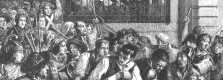 |
FRANÇOIS 1er - CÉRISOLES,… 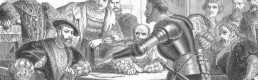 |
CHARLES VI & SES… 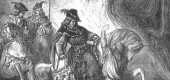 |
JEAN - DU GUESCLIN,… 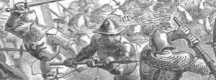 |
PHILIPPE AUGUSTE - RICHARD,… 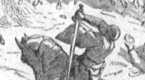 |
LOUIS XIII - RICHELIEU,… 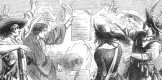 |
LOUIS XIV - MAZARIN,…  |
FILS DE CLOVIS, Sainte… 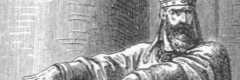 |
SAINT LOUIS - BLANCHE…  |
ASSEMBLÉE LÉGISLATIVE, Danton.  |
CHARLES VI - AZINCOURT,… 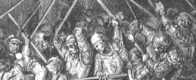 |
FILS DE CLOVIS, Clotaire…  |
LES QUATRE PREMIERS CAPÉTIENS,…  |
NAPOLÉON - ULM, La…  |
CHARLES V, Siège de…  |
LE DIRECTOIRE - NOUVELLES…  |
LOUIS XIV - PREMIÈRES… 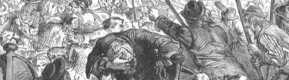 |
PHILIPPE AUGUSTE - JEAN… 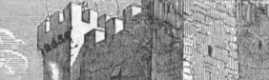 |
LOUIS LE DÉBONNAIRE ET…  |
LOUIS XIV - COLBERT…  |
PETITS-FILS DE CLOVIS, Meurtre…  |
FRANÇOIS II, Jeanne d’Albret.  |
HENRI IV - SULLY,… 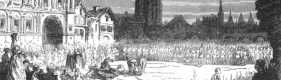 |
LA GAULE CONQUISE PAR… 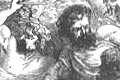 |
NAPOLÉON - LA FRANCE… 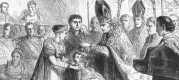 |
SAINT LOUIS - DERNIÈRE… 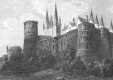 |
NAPOLÉON - CAMPAGNE DE… 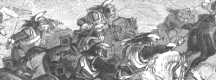 |
LOUIS XIII - RICHELIEU,…  |
PHILIPPE AUGUSTE - BOUVINES,…  |
SAINT LOUIS - BLANCHE…  |
LA FÉODALITE, Dégradation d’un…  |
LOUIS XV - GUERRES…  |
LOUIS XV - LA…  |
LOUIS XVI, Marie-Antoinette.  |
LOUIS XIII - RICHELIEU,…  |
LOUIS XIII - RICHELIEU,…  |
LOUIS XIV - LIGUE…  |
LA GAULE CONQUISE PAR…  |
MAIRES DU PALAIS, Bataille…  |
LE DIRECTOIRE - NOUVELLES…  |
HENRI II - METZ,…  |
PHILIPPE VI, Le gué…  |
LOUIS XVI, Louis XVI.  |
ASSEMBLÉE LÉGISLATIVE, Madame Roland.  |
HENRI II - CALAIS,…  |
LA RENAISSANCE, Ronsard.  |
PHILIPPE AUGUSTE - BOUVINES,…  |
NAPOLÉON - ULM, Bataille…  |
JEAN - POITIERS, Combat…  |
LA CONVENTION - TRAITÉ… 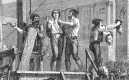 |
PHILIPPE AUGUSTE - BOUVINES,… 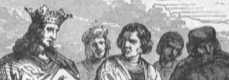 |
CAROLINGIENS - CHARLEMAGNE, Mort… 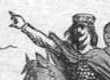 |
HENRI III - HENRI… 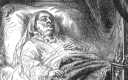 |
PHILIPPE AUGUSTE - BOUVINES,… 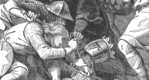 |
HENRI IV - SIÈGE… 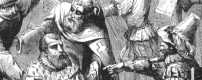 |
LOUIS XIV - STRASBOURG,… 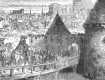 |
LA RÉVOLUTION - LE…  |
NAPOLÉON - IÉNA, Bataille… 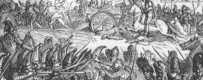 |
LOUIS XIII - CONCINI,…  |
nouvelle sélection à chaque affichage |
|
|


 www.frenchhistory.net - édition internet de « L’HISTOIRE DE FRANCE EN 100 TABLEAUX » par Paul Lehugeur -
  -
-